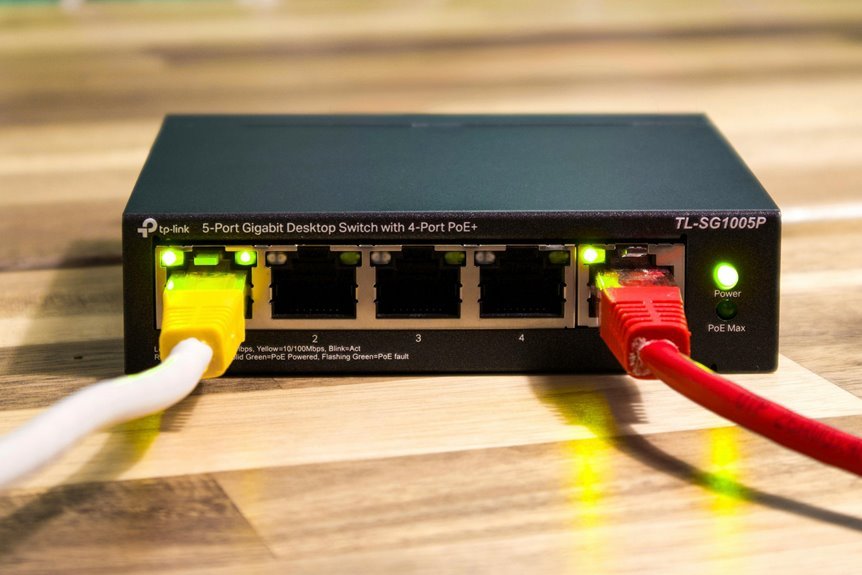
Reliable Internet Platform 5206122656 focuses on dependable, scalable online infrastructure with strong governance. It emphasizes fault-tolerant architecture, automatic failover, and traffic shaping to sustain uptime. Security governance, data privacy, and verifiable accountability underpin operations. Real-time observability and disaster recovery enable rapid issue detection and continuity. The result is proactive troubleshooting, latency tuning, and secure data stewardship—but questions remain about how these elements integrate under real-world constraints and evolving threats.
What Is Reliable Internet Platform 5206122656?
Reliable Internet Platform 5206122656 refers to a framework or service designation that emphasizes dependable, scalable online infrastructure and governance. The concept highlights reliable architecture and uptime optimization through defined scalability patterns, fault tolerance, and performance monitoring. Security governance and data privacy underpin operations, guiding incident response and governance controls. The approach supports freedom-oriented stakeholders by prioritizing transparent, verifiable reliability and resilient system behavior.
How the Architecture Supports Uptime and Scalability
How does the architecture underpin uptime and scalability in Reliable Internet Platform 5206122656? The design emphasizes fault tolerance through redundant components and automatic failover, while traffic shaping manages load distribution. Platform observability enables rapid issue detection and capacity planning, supporting scalable operations. Disaster recovery strategies ensure service continuity, preserving performance under stress and reducing recovery time and data loss.
Security and Data Governance in Practice
Security and data governance in practice builds on the system’s fault-tolerant, observable architecture to ensure that protection, compliance, and data stewardship align with operational realities. The approach emphasizes data governance frameworks, risk-based controls, and verifiable accountability. Security testing integrates with development lifecycles, revealing gaps before deployment and guiding continuous improvement for trusted, freedom-respecting platforms.
Real-World Reliability: Tuning, Troubleshooting, and Optimization
Real-World Reliability hinges on systematic tuning, proactive troubleshooting, and continuous optimization to sustain performance under real user load and evolving conditions. It analyzes latency tuning and load balancing to minimize tail latency and uneven resource use, while refining caching strategies for predictable access.
Effective error handling isolates faults, guides rapid recovery, and preserves service quality amid fluctuating demand and component variability.
Conclusion
A robust Internet platform combines fault-tolerant architecture, automatic failover, and adaptive traffic shaping to sustain uptime and scalability. Real-time observability and proactive capacity planning enable rapid issue detection and containment. Security governance and verifiable accountability ensure data protection and trustworthy operations. An illustrative statistic: platforms with automated failover report up to 99.99% uptime, reducing customer disruption by orders of magnitude and underscoring the value of resilience in reliability-focused ecosystems.