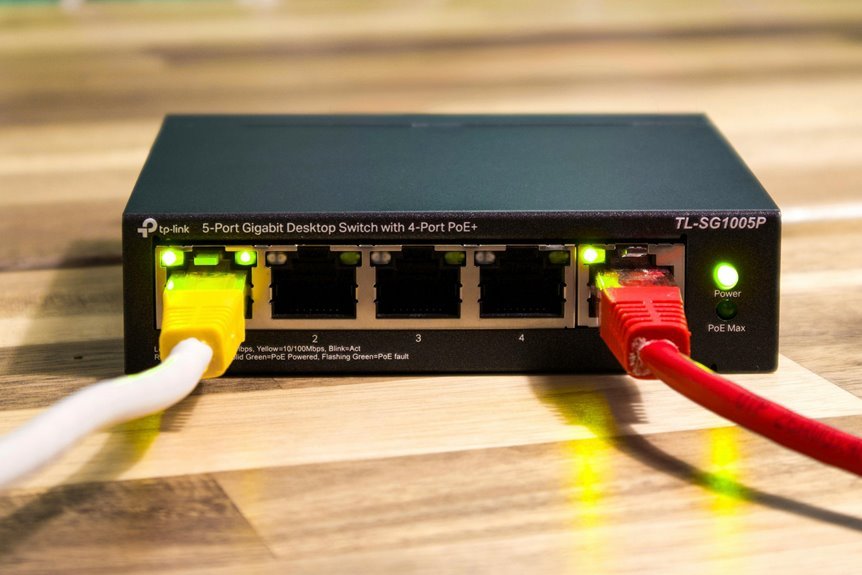
The Professional Internet Solution 120907860 Guide offers a governance-driven framework for secure, reliable digital systems. It emphasizes secure architecture, clear network segmentation, and layered defenses. Practical steps cover baselining performance, identifying bottlenecks, and aligning with service level objectives. The approach prioritizes auditable change control, scalable capacity, and data-driven improvement. Stakeholders are guided toward disciplined experimentation and transparent metrics. The discussion flags areas for implementation challenges and invites further examination of how these elements integrate in real environments.
What Is the Professional Internet Solution 120907860 Guide?
The Professional Internet Solution 120907860 Guide presents a structured framework for understanding a specific online service. It defines purpose, scope, and core components, emphasizing a holistic approach to digital reliability. The document highlights secure architecture and performance optimization as enduring priorities, ensuring freedom through transparency, robust governance, and measurable outcomes. Readers gain clarity on objectives, constraints, and practical expectations without unnecessary complexity.
How to Implement a Secure, Reliable Network Architecture?
How can an organization establish a secure, reliable network architecture that withstands evolving threats and scales with demand? The approach emphasizes disciplined data governance and explicit network segmentation. It outlines layered defenses, standardized configurations, and centralized monitoring. Architectural choices prioritize minimal blast radii, auditable change control, and resilient connectivity, enabling predictable performance while preserving freedom to adapt to future threat landscapes and business needs.
Practical Steps to Optimize Performance and Reliability
Assessing current performance and reliability baselines, organizations can identify bottlenecks and failure points across compute, storage, and network layers, then align optimization efforts with predefined service level objectives.
In practice, practical steps include targeted performance optimization, robust fault tolerance design, scalable capacity planning, and reinforced network security.
Emphasis on scalability planning ensures resilient operations while maintaining optimal efficiency and freedom to adapt.
Measuring Success: Metrics, Analytics, and Continuous Improvement
Measuring success in professional internet solutions hinges on selecting relevant metrics, applying rigorous analytics, and pursuing a disciplined cycle of continuous improvement.
The analysis framework emphasizes measurable outcomes, transparent reporting, and disciplined experimentation. Analytics leverage identifies bottlenecks and opportunities, while continuous improvement guides iterative changes.
Clear KPIs drive performance optimization, aligning stakeholders, mandating accountability, and sustaining progress through disciplined, data-informed decision making.
Conclusion
The Professional Internet Solution 120907860 Guide promises a fortress built on governance, yet delivers a bedtime story about risk management. Its secure architectures and staged performance baselines read like a checklist of virtue signals, while bottlenecks squeal for attention from the shadows. In the end, metrics march in neat rows, auditable changes applaud themselves, and continuous improvement nods politely until someone updates the graph. Satire aside, the truth remains: discipline beats luck, especially with a quarterly report.