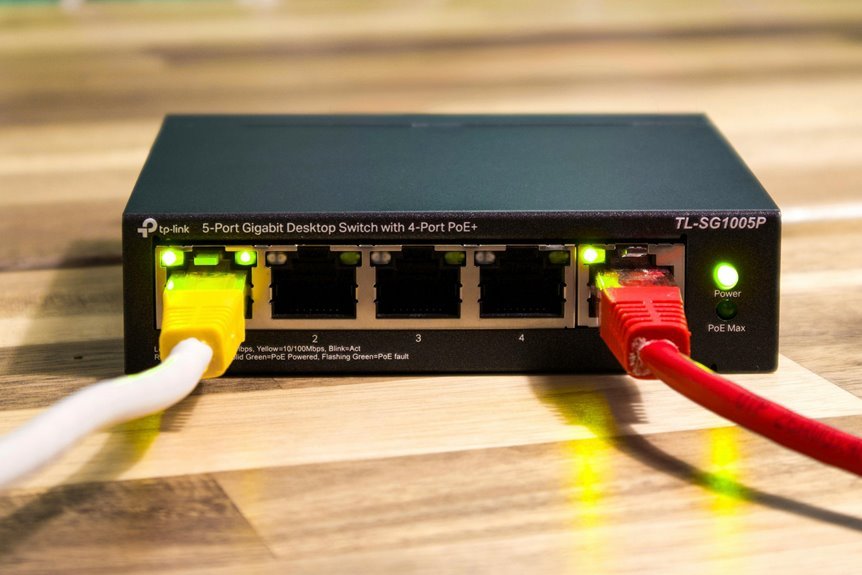
The Smart Digital Network 669917891 Guide offers a structured path from readiness to continuous improvement. It emphasizes governance, device hardening, and adaptive policies to achieve interoperable resilience. The framework ties capability mapping to target architecture and metrics-driven decision making. It prioritizes proactive risk mitigation and disciplined security governance, aiming to minimize disruption while enabling scalable innovation. The implications for practitioners are significant, and the next steps invite careful consideration of implementation tradeoffs and governance alignment.
What Is a Smart Digital Network and Why It Matters
A smart digital network is an interconnected system that integrates advanced data analytics, autonomous decision-making, and adaptive communication to optimize performance across devices, applications, and infrastructure.
It strategically aligns governance with operational layers, enabling continuous improvement and proactive risk mitigation.
This approach emphasizes smart infrastructure and digital resilience, fostering freedom to innovate while preserving reliability, security, and scalable interoperability for diverse actors and environments.
How to Assess Your Current Network for 669917891 Readiness
Assessing current network readiness for 669917891 requires a structured, data-driven approach that maps existing capabilities against the target smart digital network architecture. The evaluation emphasizes assessment readiness and network maturity, identifying gaps, redundancies, and risks. Through objective metrics and governance, stakeholders gauge scalability, interoperability, and resilience, enabling proactive prioritization and disciplined execution toward a freer, resilient network future.
Step-by-Step Guide to Deploy a Secure Smart Digital Network
To deploy a secure smart digital network effectively, organizations should begin with a structured, risk-informed blueprint that aligns security controls with the intended architecture, data flows, and stakeholder requirements.
The implementation sequence emphasizes security governance, disciplined configuration, and device hardening, followed by continuous validation.
A proactive posture ensures resilient segments, minimal exposure, and adaptive policies that support freedom within controlled boundaries.
Troubleshooting and Optimization: Common Pitfalls and Fixes
Troubleshooting and optimization in a smart digital network demands a disciplined, methodical approach that identifies root causes, quantifies impact, and prescribes targeted fixes. The analysis remains detached, highlighting patterns over anecdotes. Proactive remediation reduces security risks and mitigates scalability challenges, while documenting decisions. Meticulous testing validates changes, ensuring minimal disruption. Clear metrics guide ongoing refinement, preserving freedom through resilient, efficient, and transparent network operations.
Conclusion
The guide reveals a coincidental symmetry between risk and resilience: as networks adopt governance and device hardening, threat surfaces shrink in tandem with uptime. In parallel, readiness assessments echo deployment realities, each step aligning with measurable metrics that guide decision-making. Visually, interlocking gears of policy, architecture, and analytics turn in concert, producing a resilient, interoperable whole. The result is an analytic, proactive trajectory—carefully mapped, meticulously executed—where prudent controls coexist with innovation, steering toward a freer, safer digital future.